
Everybody Make Some Noise For:
emo culture in mexico
October 9th 2026
“It’s not a phaseeeeeeee” has been tossed around here and there since before the post-tumblr tween “yeemo” community broke out of their shells and became fully fledged adults.
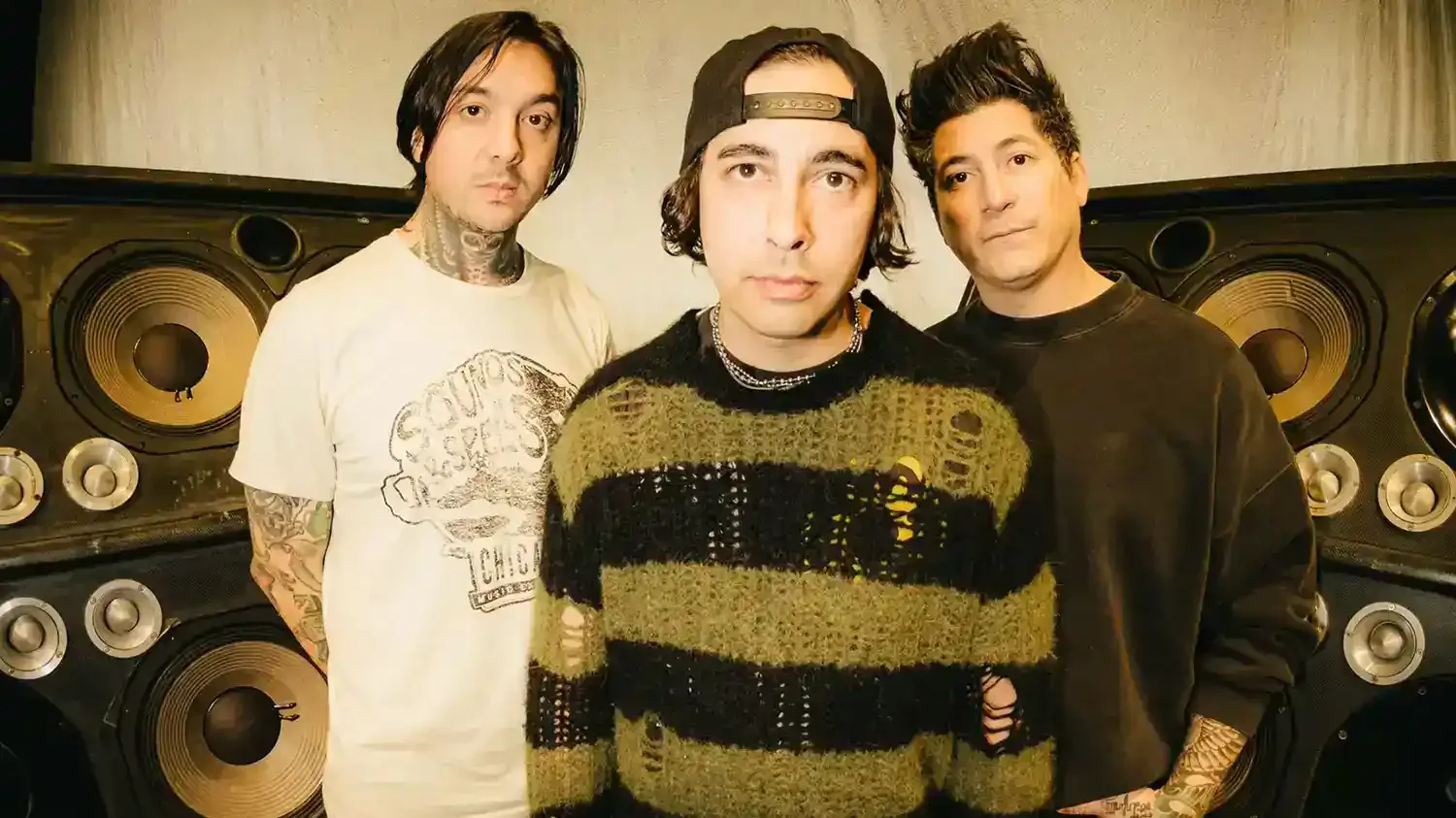
When I was in middle school, I was more than certain that my music taste was going to consist exclusively of Pierce the Veil and My Chemical Romance forever… and you know what, I was pretty head on. While I’ve finally broke free of the hypnotic spell that Brendon Urie’s F# note had on my mind and opened up to other genres and artists, I’m still going to try my best to belt
any and every song on ‘A Fever You Can’t Sweat Out’ as soon as it plays on my shuffled playlist. So no, it never really was a phase,
and the same thing can be said for so many people who would label themselves as “emo”.
While a lot of different communities and countries can say that they have had- or still have- a prominent Emo collective, not a lot of places
can say that the communities were involved in a pop culture war. Which brings me to the Emo-Punk war of 2008.
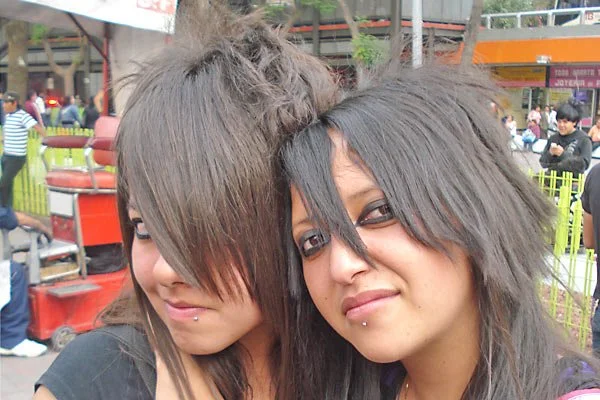
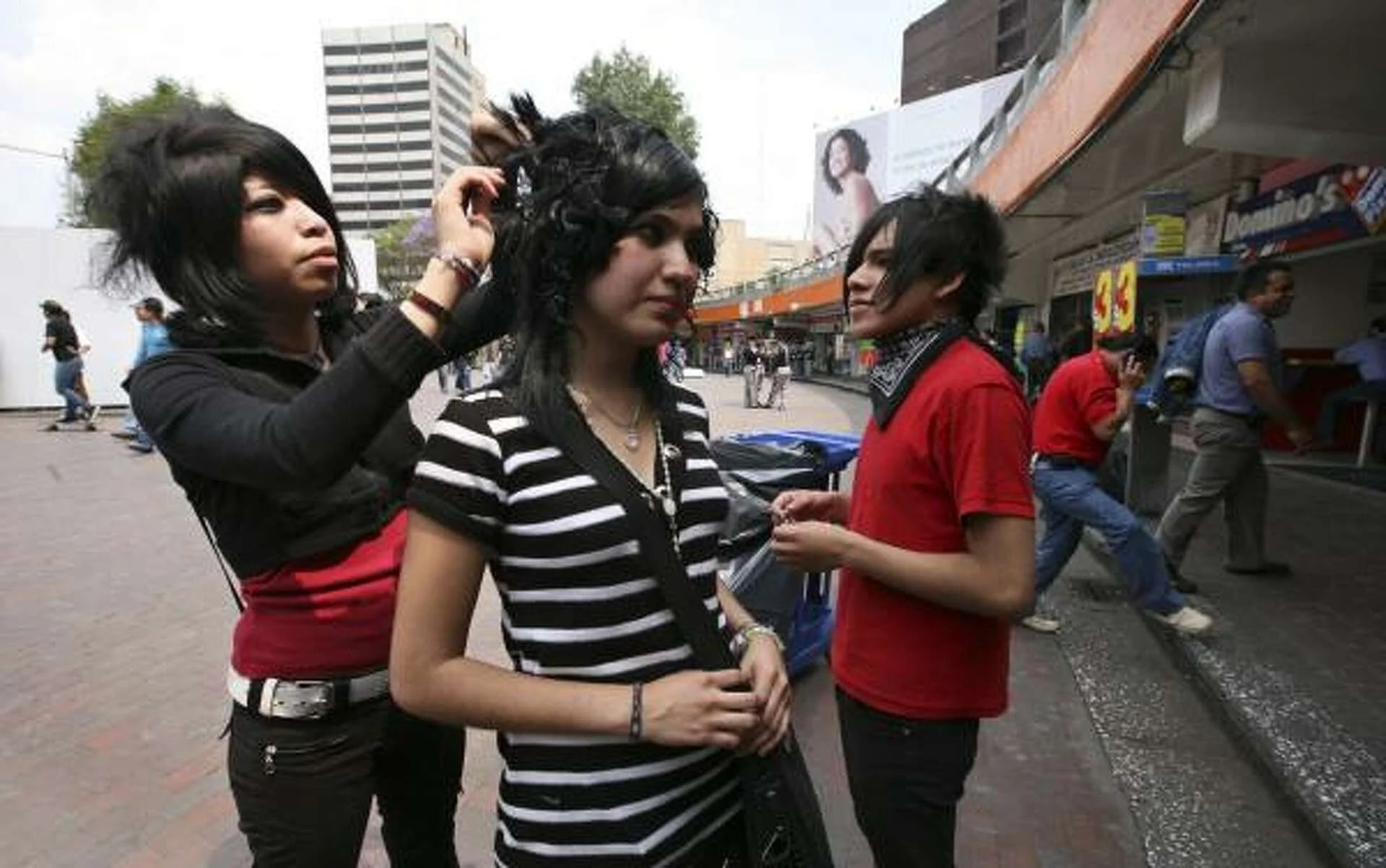
Back in the early 2000s, emo culture became pretty rampant in Mexico. A lot of teens and people in their early 20s confided in the lifestyle that being ‘emo’ was able to provide. However, with the rise of this subculture, other communities were already starting to feel a little hostile. Various parties, such as punks, goths, and metal-heads all started to bully or egg on people within the emo community, which immediately caused a lot of tension between the groups.
The bullying and backlash came from a couple of different places. In a 2008 NPR interview about the clash itself, a Mr. Enandes explained a pressing issue that a lot of Mexican people had with emo culture by stating, “that Mexican culture, ‘traditional Mexican culture’ in quotes, is eroding”. Historically, society everywhere will peg genders into very specific boxes, and in this situation, the emo subculture allowed for a breakaway from this box. Instead of men feeling the need to feed into hypermasculinity and apathy towards life, they were able to be lean and wear eyeliner. For women, instead of the standard of needing to be opinion-less or quiet, this lifestyle brought the option of expressing oneself through music.
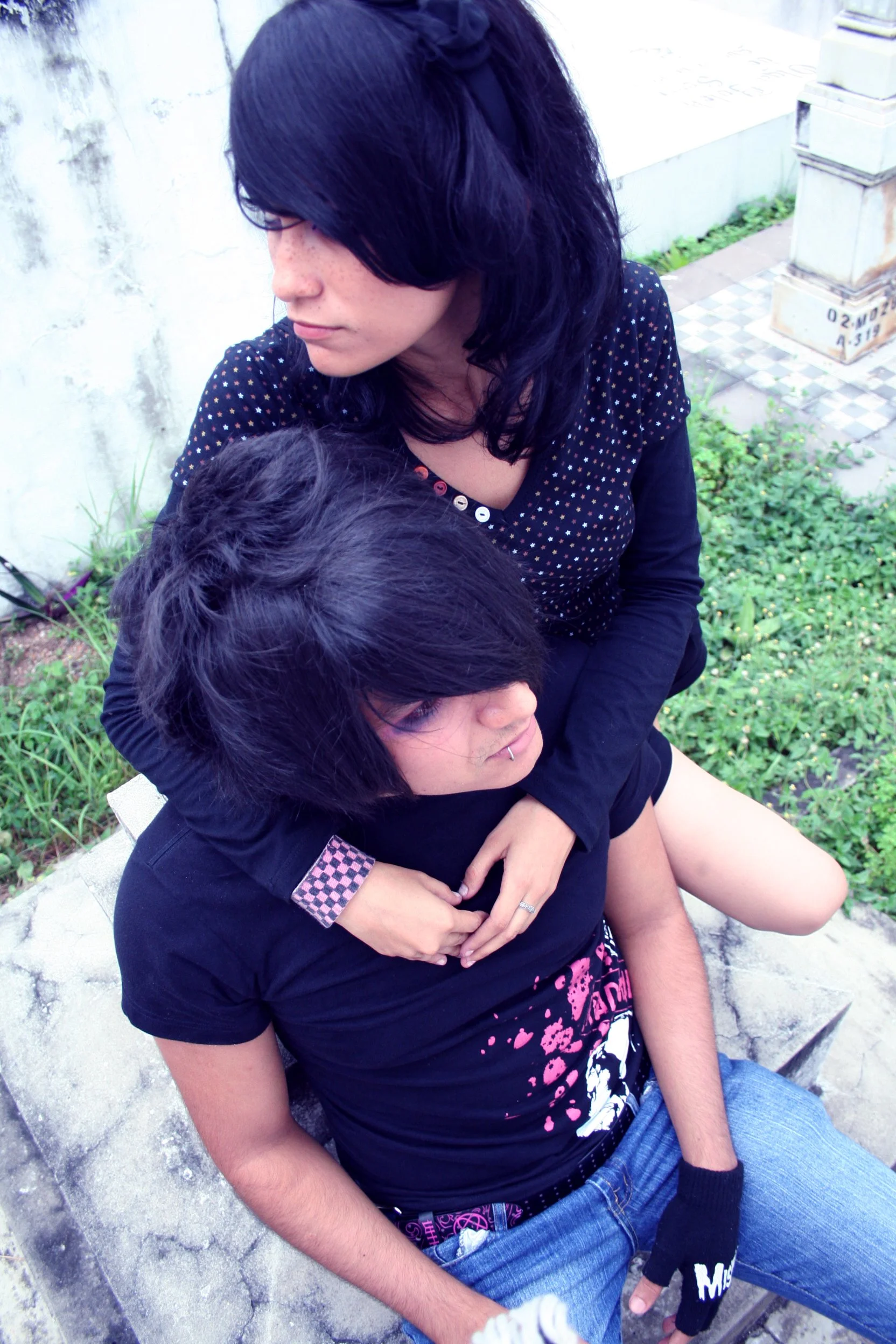
Another issue that other groups had with emo subculture leans more into classism. Punk communities prided themselves on being very hands-on, anti-facist, anti-corportation, and they felt like emo culture was more becoming of an “aesthetic” versus a lifestyle. This is due to the findings that most of the people who were in the emo community lived in upper class areas, went to ‘better’ schools, etc. Therefore, to punks, emos were seemingly pretty privileged and they weren’t acknowledging it. The mixture of classism, homophobia, and general societal norms made a hellish concoction for both bullying and clashing.
Now getting into the actual events, on March 7th 2008, 800 or so people gathered in Querétaro City with the intention of attacking Emos thinking that they were planning on expanding out of their zone to be more throughout Mexico City. Here, about 3-5 people were reported hurt and there were 28 arrests. The following week, a similar experience happened where a large group gathered to attack Emos and there were on and off physical and verbal altercations until members of the Hare Krishna movement invited both parties to join in on singing (and many did!). More altercations followed within the next year, but after a while it all fizzled out.
Tensions are lower in current day Mexico, but the wounds to both groups are still apparent. What inspired this article was actually a trip I just took to Mexico for Día de la Independencia with my partner. Somehow emo versus punk culture came up while talking with my partner’s family and he asked if they felt any way about either groups. They replied saying that they honestly hadn’t thought about it, but Emos in particular still come up today as the butt of a joke.
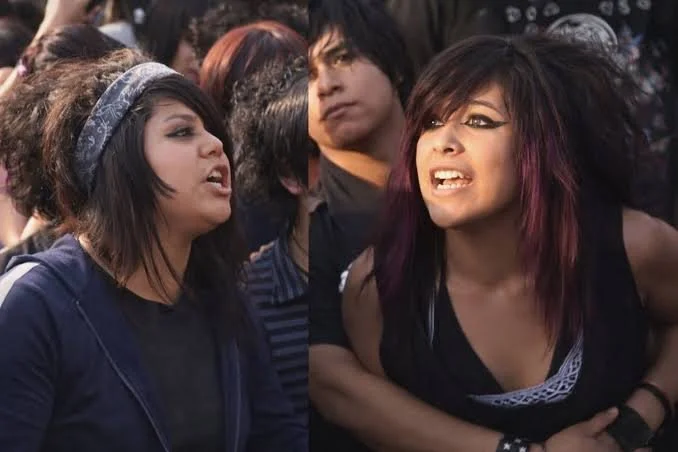
There was even a small exhibit in the Museo Nacional de Antropología about emos and punk culture, and last year a commemorative march took place at the Glorieta de los Insurgentes where the first confrontation took place.
All in all, I think as the communities get older, and newer subcultures take the place of the old ones, the great Emo-Punk war serves more as a lesson in finding community and fighting bigotry than anything else.
And that will never be a phase.
To learn more about Emo Culture in Mexico feel free to check out my sources for this article which are cited below.
References
Horcasitas, J. (2013, July 23). Emo cultura en México – LA gente newsmagazine – university
of California, Los Angeles. Lagente.Org.
https://lagente.org/emo-culture-in-mexico/
NPR. (2008, April). Mobs in Mexico attack fans of emo music. NPR.
https://www.npr.org/2008/04/01/89265941/mobs-in-mexico-attack-fans-of-emo-music
The Mexican emo wars. (2008, April 16). NPR.
https://www.npr.org/transcripts/89683601
Wikipedia Contributors. (2025, June 1). Emos vs. Punks. Wikimedia Foundation. Wikipedia.