
Let’s all cry together: A review of Phoebe Bridger's newest album “The Lost Weekend”
A Review of Phoebe Bridgers’ New Album
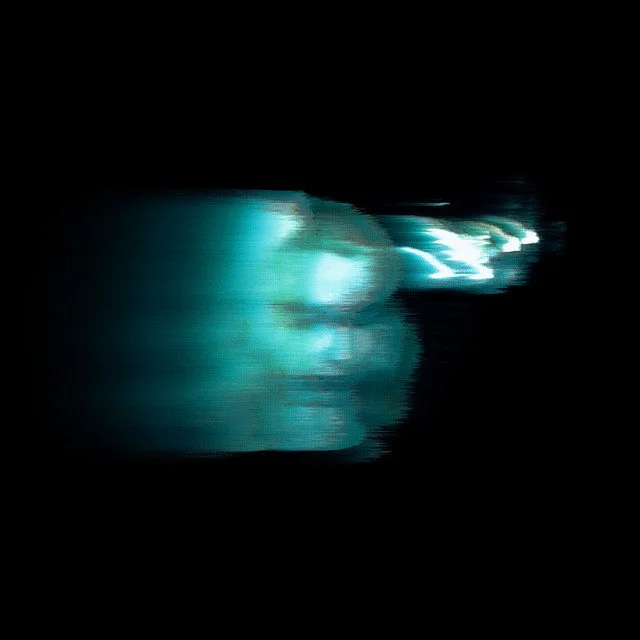
The moment we’ve all been waiting the past six years for, singer/songwriter Phoebe Bridgers released her latest project: “The Lost Weekend”
Bridgers opens strong with “The Outside”, a retrospective and techno piece that echoes a dissociative feeling in the wake of her fathers passing. The lyrics reflect how Bridgers feels disconnected and as if she is watching her own life “from the outside”. The use of a voice decoder pushes this even more, further distancing her identity or existence from these heavy moments and feelings.
Next, we switch up the mood with “Lost Boys”, which is the lead single on the album. You can read my lengthier review of both the song and music video, however it remains a strong contribution to the overall work and one of my favorites on the album.
The third track is “Kill Me”, slowing us back down with the guitar. Right of the gate we get a reference to both Lucy Dacus and Julien Baker, her co-members of boygenuis, singing “Times are scary/My boys are getting married”. The song dives into the anxieties of falling in love, seeing both her friends experience it—along with falling in love herself, and the risk that comes with it. The next lyric that stood out to me was “Bobby, you taught me that I know nothing”. I believe that Bridgers is saying that Bobby, likely being her partner Bo Burnam, has shown her through their relationship that she actually knows nothing about love or being in a healthy relationship. The song ends alternating between the phrase “Tamam Shud” which means “It is over” or “It is finished” and “Lets go missing / Listen, listen”, possibly suggesting her desire to escape forever out of the public eye.
Moving into the fourth track we have “The Governor’s Waltz”. This song has such strong storytelling, which I love lyrically. Some of my favorite lyrics in this one come in verse two “Two kids in a trench coat living alone / I was too happy to feel at home” feeling like imposters, to young people pretending to be adults, and how it never really felt like home.” I also love the faded clip of the new years party and countdown in the back, immersing the listener into that moment. The song follows the downward spiral of a relationship, believed to be referencing her relationship with Paul Mescal, and how Bridgers wants to be released from it, hoping her partner will end it, singing “You promised that you'd never leave / But maybe you'll do it for me.” Bridgers closes the song with a spin on the chorus “Now, let's see how far I can run without stopping / And she can pretend to be me / Since she took my place in my bed on that stage / I have not lost any sleep / Being myself wasn't easy / Do it for me.” Likely referencing Mescal's current partner, Gracie Abrams, this lyric doesn’t feel like a diss to her, but rather relief that someone else is in that position rather than herself.
Next we move into “Bobby” kicking it off with a scream and a bold melody. I can best describe this song as “sweet”, following the romance of Bridger’s and Bo Burnham. Getting the privilege of hearing her fall in love and existing in these small moments she chooses to share with us makes this song feel so domestic and touching through the details like how he has to duck to get through the door frame, or singing in the shower, and wearing his clothes. The song's outro features a voicemail promising the listener millions of dollars or a luxury car, comparing this relationship with “Bobby” to winning the lottery.
Moving onto the title track we have “Lost Weekend”. This song is as touching as it is heartbreaking, slamming us with lyrics like “Surviving my gift until I get shot, I'm supposed to be married, but I called it off”. We follow Bridger’s tangle with both her love life and public scrutiny. The song itself has minimal lyrics, all being one verse, before it cuts into a rhythmic breathing slamming instrumental outro.
The 7th track brings us “Haunted”, a catchy folk melody that explores the process of healing and becoming yourself again. The bridge is the emotional high point of the song, singing “'Til then, I'm gonna listen / To the song of the siren / No, I am not afraid (I am not afraid) / You won't have to open a heart that's broken (Broken) / Water's gonna flow in either way (Flow in either way) / My heart is growin' either way.” She is choosing to embrace the hardships or the “sirens”, understanding that even when you are pushing it away, everything will ultimately come back, and in order to grow she must accept life and its troubles head on in order to become the better version of herself.
Moving onto “Panorama” the track opens with a long instrumental interlude, featuring an ambiance of sound and simple vocals. Lyrically the song is quite short, being only one verse of five sentences. The song also credits singer/songwriter Jake Minch who she shares a producer with for the line "If you're drinking, then I'm drinking" from Minch's "Twice" off his debut album George. Songs like this are fascinating to me, as within the short amount of time used, Bridgers creates a surreal and physical reaction to a concept rather than a fully flushed out idea.
“Still Standing” dives back into the grief of losing her father. This song is one of my favorites on the album, and yet it is the hardest for me to explain, much like grief itself. Bridgers does an incredible job of winding the listener through the feeling, exploring the complex relationship she held with him while grappling with the absence of him in her life. The song explores the odd emotions grief digs up in the wake and the process of coming to terms with the fact they are gone forever. My favorite part is that the use of vocals in the outro seems almost heavenly, like a hymn, rising before settling softly and fading out.
Tracks 10 and 11 bring us “Liberty Tree” and “Never Going Back!” “Liberty Tree”, named after the Liberty Tree Mall in Massachusetts, opens with an eerie sound yet sets the stage for another love song. My favorite lyrics on this track are “You were made in the image of God / But you look like your mom in this picture of us / Fallin' in love that night after our fight / And the past is lookin' brighter all the time.” She mentions “Bobby” aka Bo Burnam yet again, singing “Don't die, Bobby, before I die / It feels so good to have you in my life.” The outro then sharply abrupts the song's main melody cutting back to the sounds of the abandoned mall. Track 11, “Never Going Back!” repeats the same line over and over before fading into a voicemail from her father. The song almost has a double meaning, facing both the heartbreak and relief that things are never going to be as they once were.
“Other Plans” is track 12, and was crafted after being challenged to make a melody using just one note. This effect creates a numb and hallowing effect, which highlights the switch into the Chorus, as if this love brought complexity and beauty in a way that she hadn’t expected. It then flows smoothly into “Lost Parade”, which is a completely instrumental track.
Next, “I Can’t Wait” captures the restless anxiety of wanting a life with someone while fearing they could leave, with lyrics such as “All my life / Side by side / Hyde Jekyll Hyde / Finally together / You can change your mind / But you can't change mine / Hyde Jekyll Hyde / You and I forever.” The song features backing vocals from Geese’s Cameron Winter, and the song turns a romantic longing into an anxious, sleepless spiral.
In that same late-night head space, “As Above” shifts that restlessness inward, confronting larger fears such as vulnerability, grief, time and mortality. While “I Can’t Wait” is consumed by the uncertainty of whether a relationship will last, “As Above” grapples with the uncertainty of life itself.
Finally, the last track “Lost Weekend (Reprise)”. This song perfectly encapsulates the journey the rest of the album takes us through, exploring how her raw grief changed into a quiet resolve, helped with the stability of her new relationship. Lyrics like “He's not coming back as a bird / He’s not coming back” marks the acceptance she’s made that her father really is gone, yet she will carry him in the things that she learned from him. Bridgers marks the album's end saying “But we're gonna be alright, me and you / You love me and I won't еver let you forget, not yеt.”, reflecting the change from “Lost Weekend”s “You know me, and I’ll never forgive you for that”.
Bridgers certainly doesn’t disappoint, with this album being honest and vulnerable, following the wake of grief and how it seemingly tangles itself into every aspect of your life whether or not you truly realize it. Its overall lyricism, while incredible, isn’t even my favorite aspect of this album, but rather her use of instrumental interludes or background vocals that makes the listener pause and feel.
A truly beautiful return for Bridgers, and I look forward to hearing and seeing more of her on “The Lost Tour”.
August 23rd 2026
WRITTEN BY Kaylee McClure